

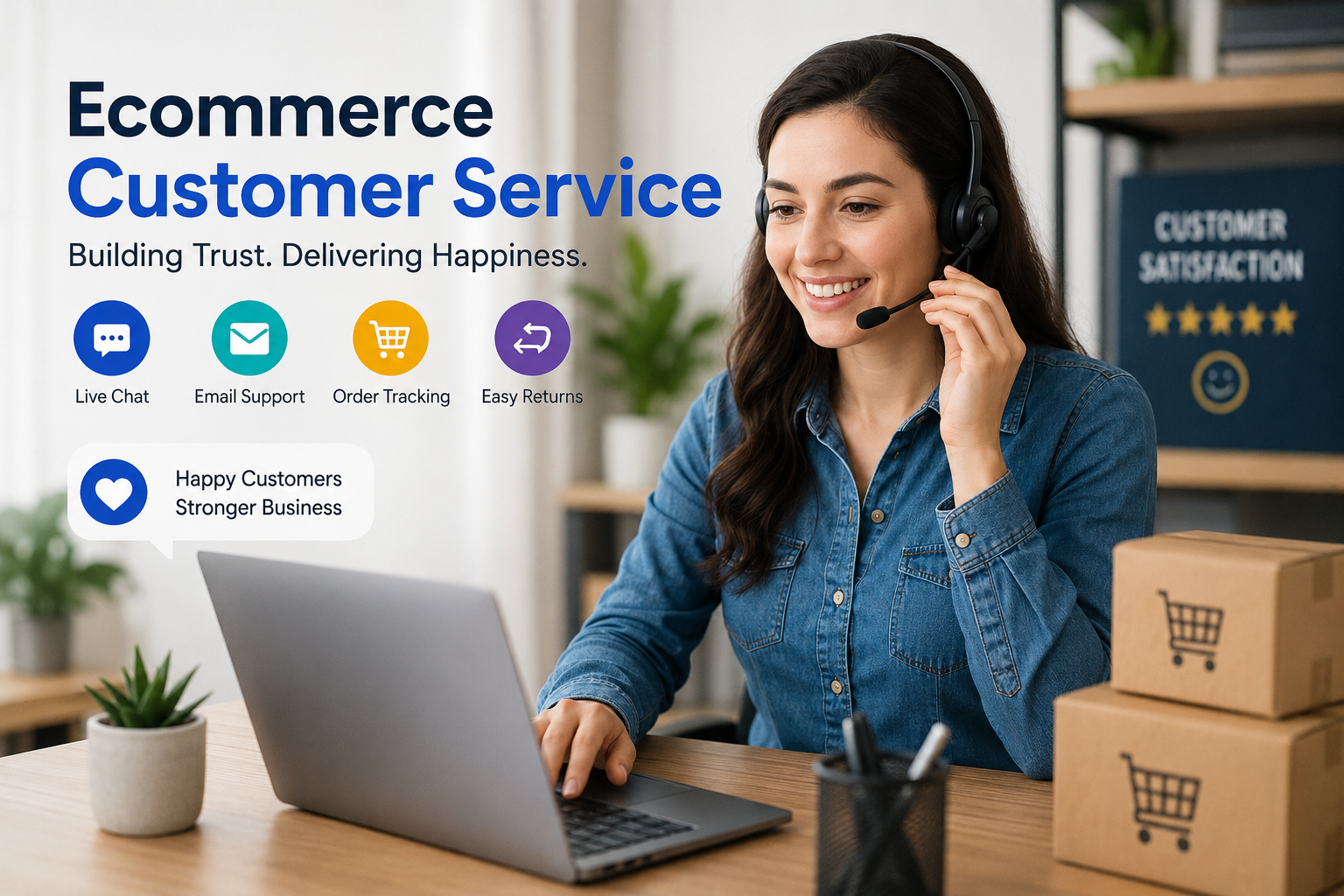
Discover 12 powerful ecommerce customer service strategies for 2026 to improve customer satisfaction, build loyalty, resolve issues faster, and support business growth.
Introduction
Ecommerce customer service plays an important role in creating a positive online shopping experience. Customers expect quick responses, clear communication, easy returns, accurate order information, and helpful support when they have questions or problems. In 2026, ecommerce businesses can use live chat, AI-powered support, automation, self-service options, and personalized communication to serve customers more efficiently. A strong customer service strategy can help online stores build trust, improve satisfaction, encourage repeat purchases, and support long-term business growth.
In today’s competitive online market, products alone are not enough to win customers. People remember how a brand makes them feel. That is where ecommerce customer service becomes the real game changer. A fast reply, a helpful tone, or a smooth return process can turn a one-time buyer into a loyal customer.
In 2026, ecommerce customer service has become a key factor in building brand loyalty and driving long-term business growth. With rising customer expectations and intense competition, businesses must deliver fast, personalized, and seamless support across multiple channels. From AI-powered chatbots and live chat to self-service portals and omnichannel communication, modern customer service strategies are designed to enhance user experience and increase retention. In this guide, we’ll explore the best practices, tools, and strategies to help you win customers and grow your ecommerce business.
Online shoppers do not see your physical store or meet your staff face to face. Their entire experience depends on your digital interaction. That is why brands that invest in customer support systems grow faster and retain more buyers.
This guide will help you understand how ecommerce customer service works, why it matters, and how to improve it to increase sales and customer satisfaction.
What Is Ecommerce Customer Service?
Ecommerce customer service refers to the support you provide to online shoppers before, during, and after a purchase. It includes answering questions, solving problems, handling complaints, and ensuring a smooth shopping experience.
Unlike traditional retail, online customer service relies on digital channels such as live chat, email, social media, and chatbots. Customers expect quick responses and accurate solutions without delays.
Good service is not just about solving problems. It is about building trust and creating a positive brand image that customers remember.
Why Ecommerce Customer Service Is Important
Ecommerce customer service is one of the biggest factors that influence buying decisions. Research shows that most customers are willing to pay more for a better experience.
When your service is strong, customers feel valued. They trust your brand and return for future purchases. On the other hand, poor service leads to negative reviews and lost revenue.
Key Channels for Ecommerce Customer Support
Customers today expect support across multiple platforms. Each channel plays an important role in delivering a seamless experience.
Live chat is one of the fastest ways to assist customers. It helps solve issues instantly and improves satisfaction. Email support is still important for detailed queries and formal communication. Social media has become a major support channel where customers reach out publicly and expect quick replies.
Phone support, although less common in ecommerce, is still valuable for complex issues. Chatbots powered by artificial intelligence can handle common queries and provide instant responses at any time of the day.
A successful ecommerce business uses a combination of these channels to meet customer expectations.
The Role of Personalization in Customer Service
Personalization is no longer optional. Customers expect brands to understand their preferences and behavior.
When you address customers by name, recommend products based on their past purchases, and offer tailored solutions, you create a stronger connection. This improves engagement and increases the chances of repeat purchases.
For example, if a customer frequently buys skincare products, suggesting similar items or offering discounts on related products can enhance their experience.
Personalized service makes customers feel valued and understood, which builds long-term loyalty.
How Fast Response Time Impacts Sales
Speed is critical in ecommerce customer service. Customers do not like waiting, especially when they are ready to make a purchase.
A quick response can prevent ecommerce customer service from leaving your website. It can also reduce frustration and improve satisfaction. Studies show that businesses that respond within minutes are more likely to convert leads into customers.
Slow responses, on the other hand, can lead to lost sales and negative reviews. Customers may switch to competitors who provide faster support.
Improving response time should be a top priority for any ecommerce business.
Building a Customer-Centric Strategy
A customer-centric approach focuses on understanding and meeting customer needs at every stage of their journey.
This starts with clear communication. Your website should provide accurate product information, shipping details, and return policies. This reduces confusion and builds trust.
Training your support team is also essential. They should be polite, knowledgeable, and solution-oriented. Customers appreciate friendly interactions and clear answers.
Collecting feedback helps you understand what customers like and what needs improvement. This allows you to continuously enhance your service.
Real-Life Example of Excellent Ecommerce Customer Service
Consider an online clothing store that receives a complaint about a delayed order. Instead of giving a standard reply, the support team apologizes, provides an update, and offers a discount on the next purchase.
This simple action turns a negative experience into a positive one. The customer feels valued and is more likely to shop again.
Another example is a tech store that provides instant live chat support. When a customer has trouble choosing a product, the support agent guides them and helps them make a decision. This not only increases sales but also builds trust.
These examples show how effective ecommerce customer service can directly impact business success.
The Role of Technology in Ecommerce Support
Technology plays a major role in improving customer service. Tools like customer relationship management systems help track interactions and manage customer data.
Artificial intelligence tools can handle repetitive queries and provide instant responses. This reduces workload and improves efficiency.
Automation can also streamline processes such as order tracking and return requests. Customers appreciate self-service options that save time.
Investing in the right tools can significantly enhance your support system and improve overall performance.
Common Challenges in Ecommerce Customer Service
Ecommerce businesses often face challenges such as handling high volumes of queries, managing multiple channels, and maintaining consistent service quality.
Another common issue is dealing with negative reviews. Customers may express frustration publicly, which can impact your brand image.
Language barriers and cultural differences can also affect communication, especially for global businesses.
To overcome these challenges, businesses need a strong strategy, trained staff, and the right technology.
How to Handle Difficult Customers
Dealing with unhappy customers is part of any business. The key is to remain calm and professional.
Listen carefully to the customer’s concern and show empathy. Acknowledge the issue and offer a solution. Avoid arguments and focus on resolving the problem.
Sometimes, offering a refund or replacement can help restore trust. Even if the issue is not your fault, handling it well can leave a positive impression.
A satisfied customer may share their experience, which can improve your reputation.
Measuring Customer Service Performance
To improve your service, you need to track performance. Key metrics include response time, resolution time, and customer satisfaction scores.
Customer feedback surveys provide valuable insights into their experience. Monitoring reviews and ratings also helps identify areas for improvement.
Analyzing data allows you to make informed decisions and optimize your support strategy.
The Connection Between Customer Service and Marketing
Customer service and marketing go hand in hand. A positive experience can lead to word-of-mouth promotion and repeat purchases.
Satisfied customers often leave reviews and recommend your brand to others. This acts as free marketing and builds credibility.
Businesses that combine strong service with strategies like account based marketing marketing agency approaches can target the right audience and deliver personalized experiences.
This combination helps attract high-value customers and improve long-term growth.
Future Trends in Ecommerce Customer Service
The future of customer service is driven by technology and customer expectations. Artificial intelligence and machine learning will play a bigger role in providing personalized support.
Voice assistants and automation will make interactions faster and more efficient. Customers will expect seamless experiences across all channels.
Businesses that adapt to these trends will stay ahead of the competition.
Conclusion
Ecommerce customer service is not just a support function. It is a powerful tool for growth. It influences customer satisfaction, loyalty, and overall business success.
By focusing on fast responses, personalization, and a customer-centric approach, you can create a positive experience that sets your brand apart.
Invest in the right tools, train your team, and listen to your customers. These steps will help you build strong relationships and drive long-term success.
If you want to grow your ecommerce business, start by improving your customer service today. It is one of the most effective ways to increase sales and build a loyal customer base.
FAQs
What is the best ecommerce customer service strategy?
The best strategy focuses on fast response times, personalized support, and multi-channel communication. It also includes continuous improvement based on customer feedback.
How can I improve customer satisfaction in ecommerce?
You can improve satisfaction by providing clear information, quick responses, easy returns, and friendly support. Personalization also plays a key role.
Why is customer service important for online stores?
Customer service builds trust, increases loyalty, and improves conversion rates. It also helps retain customers and enhance brand reputation.
What tools are used for ecommerce customer support?
Common tools include live chat software, CRM systems, chatbots, and helpdesk platforms. These tools help manage and improve customer interactions.
How does customer service affect sales?
Good customer service increases customer confidence, reduces cart abandonment, and encourages repeat purchases. It directly impacts revenue and growth.
